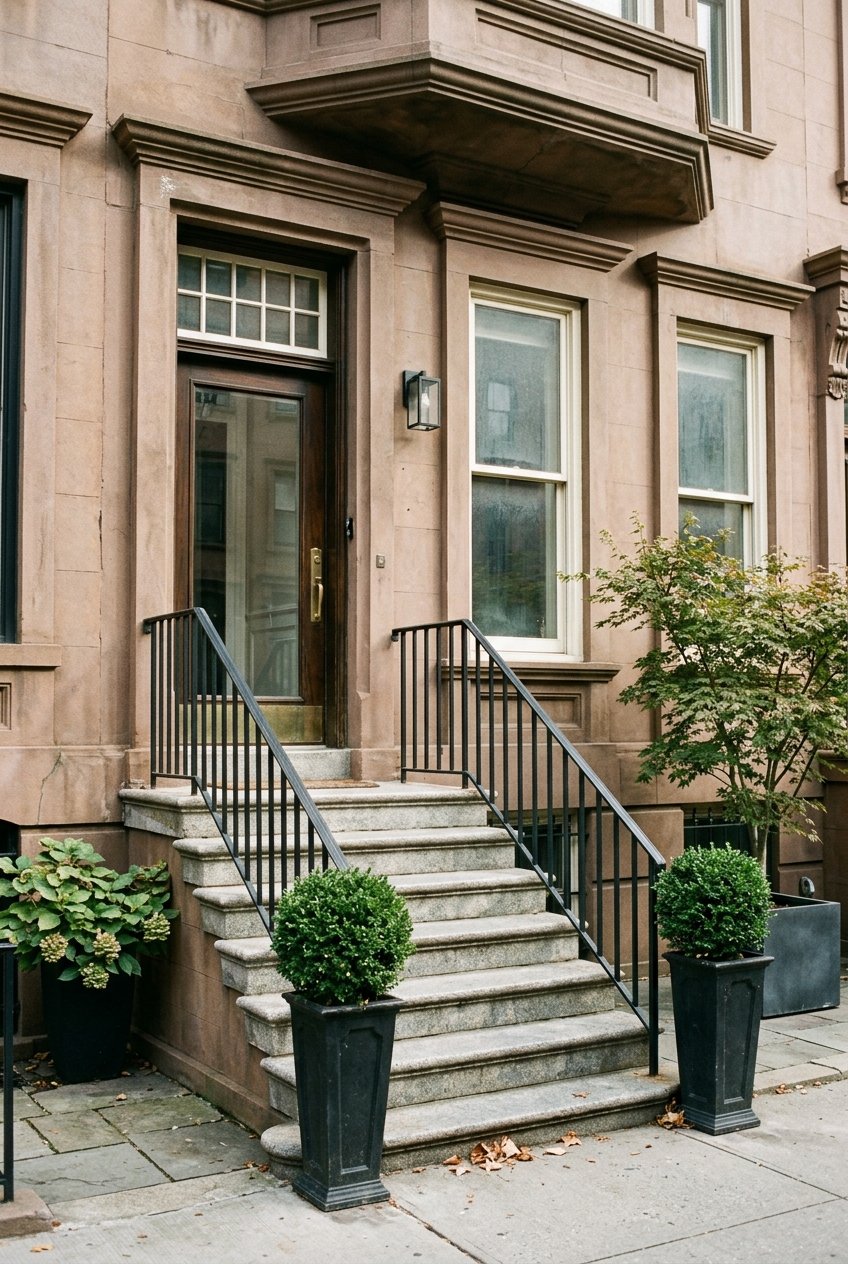
Ever wonder whether living in a Boston brownstone feels as charming in real life as it looks from the sidewalk? For many buyers, the answer is yes, but it also comes with a very specific day-to-day lifestyle. If you are thinking about buying in Boston, this guide will help you understand the look, rhythm, tradeoffs, and appeal of brownstone living in neighborhoods like Back Bay and the South End. Let’s dive in.
What a Boston brownstone really means
In Boston, “brownstone” often refers less to one exact housing type and more to a classic historic rowhouse lifestyle, especially in Back Bay and the South End. These neighborhoods were developed in the 1800s on filled marshland and tidal flats, and they are still known for their preserved rows of Victorian homes.
The term itself comes from a porous sandstone that was widely used on urban row houses from the 1840s into the early 20th century. In Boston, that material and the surrounding streetscape create the iconic look many buyers picture when they imagine city living with character.
Where brownstone living is most iconic
Back Bay brownstone setting
Back Bay is known for Victorian row houses, brick sidewalks, and a highly walkable location near the Public Garden, Commonwealth Avenue Mall, and the Esplanade. It also sits next to Downtown, which adds to the neighborhood’s central, city-focused feel.
Living here often means being close to a mix of residential streets and active commercial corridors like Newbury Street and Boylston Street. That blend gives the area energy, convenience, and a strong sense of place.
South End brownstone setting
The South End is described by the City of Boston as the largest Victorian residential district in the United States. It is known for historic townhouses, small parks, and active restaurant, arts, and retail corridors along streets like Tremont and Washington.
The neighborhood also includes a mix of housing types, including historic brick town homes and publicly funded housing. That mix is part of what shapes the South End’s urban identity today.
What daily life feels like
Expect a more vertical layout
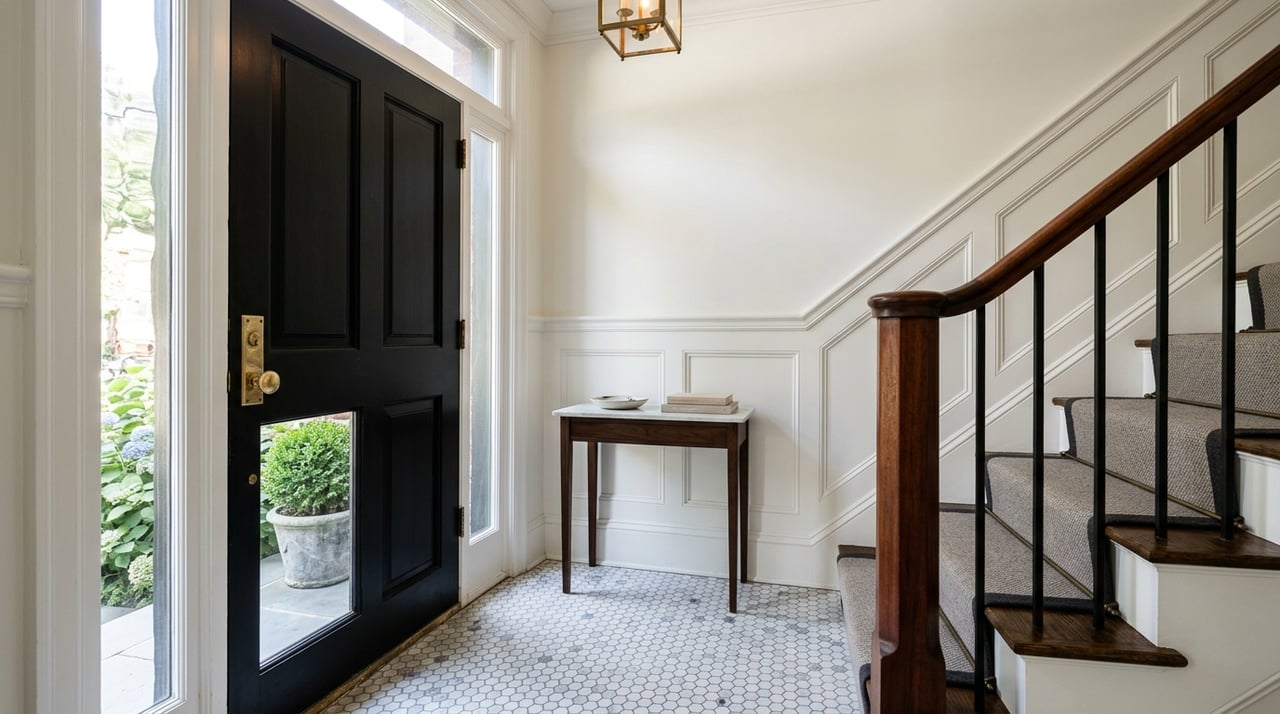
One of the biggest differences between a brownstone and a newer condo is how the space is arranged. Brownstone living is often vertical, with rooms spread across multiple levels instead of one open-plan floor.
That can create privacy and separation between living spaces, which many owners enjoy. At the same time, it usually means more stairs, narrower layouts, and less of the wide-open flow you may see in newer construction.
Your routine is usually walkable
Brownstone life in Boston is closely tied to an urban routine. Back Bay and the South End are both near Downtown, and Boston reports that its transit system reaches every neighborhood.
The city also reported that 41% of resident workers commuted without a car in 2024. For many residents, that means daily life revolves around walking, transit, and neighborhood errands instead of driving everywhere.
Street activity is part of the experience
If you live in a Boston brownstone, the street outside your door is often part of your lifestyle. In Back Bay, retail, restaurants, and office activity shape the feel of the neighborhood, while in the South End, galleries, boutiques, restaurants, and bars add to the street-level energy.
For some buyers, that lively atmosphere is a major draw. For others, it is important to understand that brownstone living often feels more connected to the city around you than a more private suburban home would.
Parking takes planning
Parking is one of the most practical parts of brownstone living to think through before you buy. In dense historic neighborhoods, curb space is limited and closely managed.
In Back Bay, the city updated meters, resident permit parking, and curb access in 2024 after a neighborhood study and community process. That reflects a simple reality of brownstone ownership in central Boston: if you have a car, parking is something you will want to plan for carefully.
The historic charm comes with rules
Exterior changes need approval
One of the clearest differences between a Boston brownstone and a newer condo is that you are often buying into a protected historic setting. Back Bay and the South End are both historic districts, and Boston requires review or approval before exterior work begins.
That means owners cannot freely change visible exterior features whenever they want. Depending on the property and district, that can affect masonry, windows, steps, railings, lighting, and other façade details.
Preservation shapes the neighborhood look
These rules are a big reason the streets remain so visually consistent and recognizable. They help preserve the architectural character that makes brownstone neighborhoods so desirable in the first place.
For buyers, this is both a benefit and a responsibility. You get to live in a beautiful, protected setting, but you also need to be prepared for a more structured approval process if you want to make exterior changes.
Maintenance is more hands-on
Older homes often require a different mindset than newer construction, and Boston brownstones are no exception. Brownstone sandstone is porous, which means water can penetrate it more easily, and freeze-thaw cycles can lead to flaking or spalling over time.
That makes exterior upkeep especially important. Masonry care, window repair, and regular attention to aging materials can all be part of ownership costs.
Repairs may need to match historic standards
In the South End, preservation standards are specific about how exterior materials should be handled. Replacement materials must approximate brownstone in appearance and texture, covering masonry with another material is not approved, and original wood windows should be repaired rather than replaced when possible.
In practical terms, that means repairs may be more specialized than in a newer home. Buyers should budget not just for routine maintenance, but for historically appropriate maintenance.
Lead-safe diligence matters
Because many brownstones were built long before 1978, lead-related planning can also matter. Boston’s Public Health Commission says lead is most commonly found in paint in homes built before 1978.
Property owners must ensure homes are lead-safe if a child under age 6 lives there. If you are buying and planning work on an older Boston home, it is smart to factor lead-safe diligence and contracting into your preparation.
Brownstones versus newer condos
If you are comparing options in Boston, the biggest difference is often the ownership experience. A brownstone usually offers historic detail, a classic streetscape, and a more distinctive sense of place.
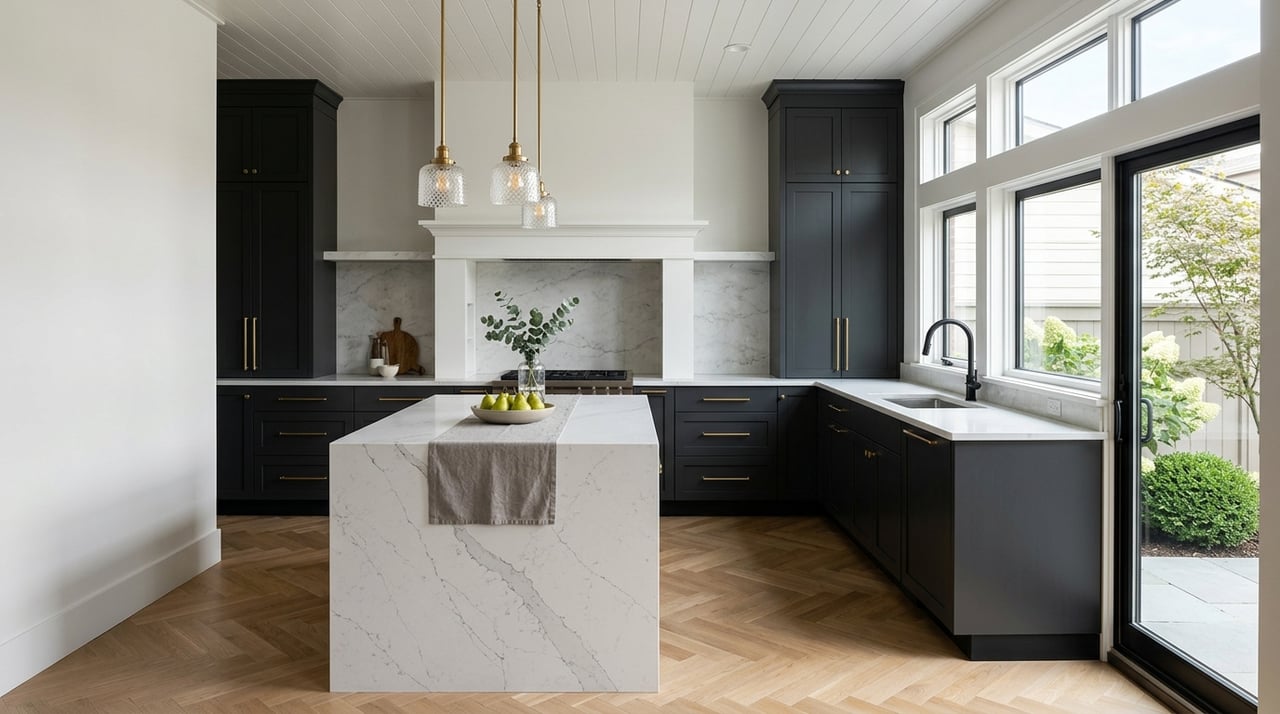
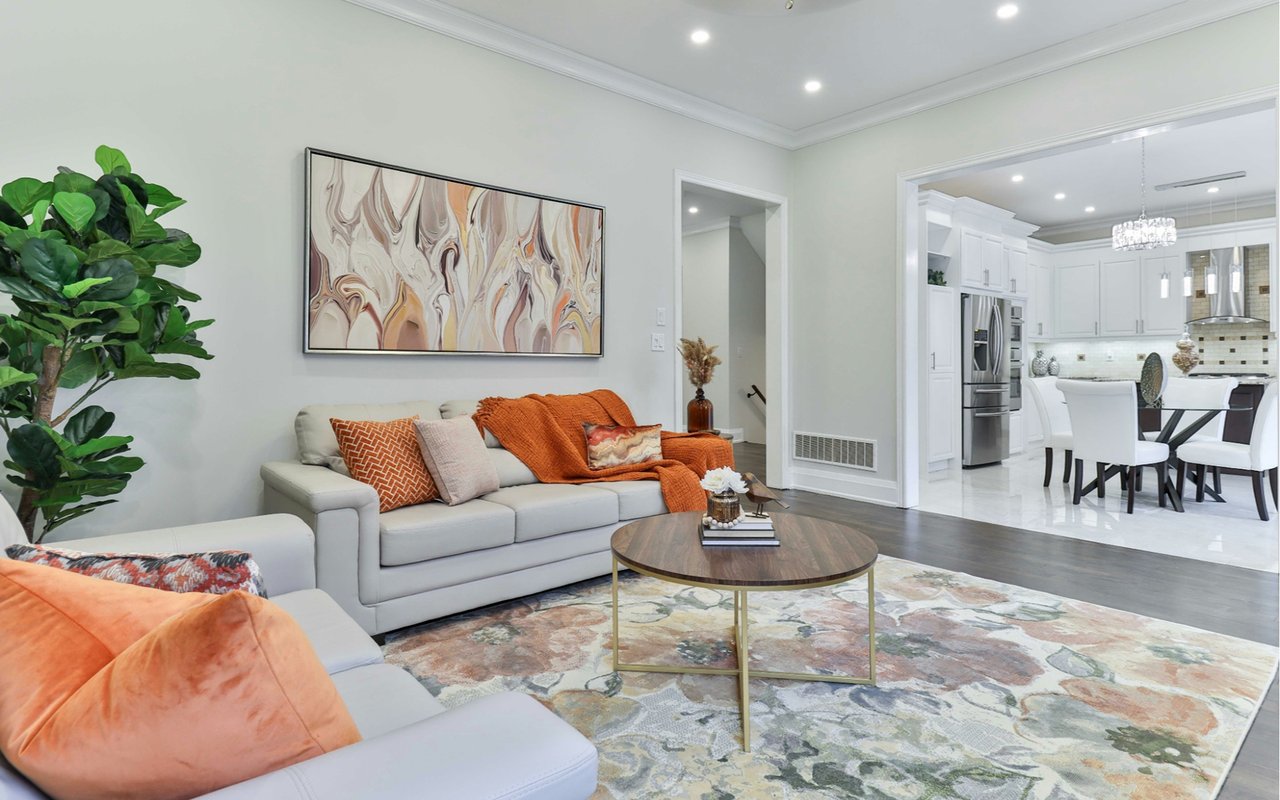
A newer condo may offer more standardized interiors, fewer exterior restrictions, and a layout that feels more modern and low-maintenance. Neither is better for everyone. It depends on whether you value historic character and location enough to take on the responsibilities that come with them.
Why buyers still covet Boston brownstones
Even with the upkeep and historic-district rules, Boston brownstones remain highly sought-after. A big reason is scarcity. There is only so much preserved historic housing in central neighborhoods like Back Bay and the South End.
Location also plays a major role. These neighborhoods offer immediate access to parks, restaurants, retail, arts, and Downtown Boston, all while delivering a home style that feels rooted in the city’s history.
The pricing reflects that demand. In Boston’s 2026 people-and-economy report, Back Bay had median condo sales prices above $1.2 million in 2025, while the South End’s median single-family sales price was around $4 million.
Is brownstone living right for you?
A Boston brownstone can be a great fit if you want architectural character, a central location, and a home that feels connected to the surrounding neighborhood. It can also be a smart choice if you appreciate the value of preserved housing stock and understand the realities of older-home maintenance.
At the same time, it helps to go in with clear expectations. More stairs, tighter parking, historic review, and ongoing exterior care are all part of the experience. When you know that upfront, you can decide whether the charm truly matches your lifestyle.
If you are weighing a historic Boston property against a newer condo or another home style, having the right local guidance can make the decision much clearer. For personalized insight on Boston-area homes and what fits your goals, connect with Louise Touchette.
FAQs
Are Boston brownstones always single-family homes?
- No. Brownstone neighborhoods include a mix of property types, including multi-unit homes and condo-style residences along with single-family homes.
Can you change the exterior of a Boston brownstone freely?
- No. In historic districts like Back Bay and the South End, exterior work usually requires review or approval before work begins.
What is daily life like in a Boston brownstone?
- Daily life is often more vertical and urban, with multiple levels, more stairs, walkable errands, and easy access to transit, restaurants, and city activity.
What should buyers budget for with a Boston brownstone?
- Buyers should plan for ongoing maintenance such as masonry care, window repair, historically appropriate exterior work, and lead-safe planning in older homes.
Why are Boston brownstones so expensive?
- They remain desirable because of limited supply, central location, historic character, and the protected neighborhood setting in places like Back Bay and the South End.