If you are selling a historic home in Boston, charm alone is not enough. Buyers are often drawn to original details, but they also look closely at condition, documentation, and whether the property is subject to historic review. When you prepare the right way, you can protect the home’s character, reduce surprises, and position your sale more confidently. Let’s dive in.
Why Boston historic homes need a different plan
Boston has an aging housing stock, and much of it sits in dense, multi-unit building patterns. The city’s fair housing assessment says 81% of Boston housing is in multi-unit buildings, including many 3-to-4-unit properties such as triple-deckers. That means buyers often pay as much attention to systems, upkeep, and building fabric as they do to period details.
In a historic home, that balance matters even more. Original woodwork, masonry, fireplaces, trim, built-ins, and windows can be major selling points, but deferred maintenance can quickly change the conversation. A strong strategy helps you present the property as both distinctive and responsibly cared for.
Verify historic status early
Before you plan repairs, staging, or exterior improvements, confirm whether your property is designated. In Boston, the Landmarks Commission and 10 historic district commissions oversee designated historic resources, including areas such as Back Bay, Beacon Hill, Bay Village, South End, Fort Point Channel, Mission Hill Triangle, Aberdeen, St. Botolph, and Highland Park.
Boston provides a public map that buyers and sellers can use to check whether a home is in a historic district or individually landmarked. This step matters because designation can affect what work needs review before it is completed. If you wait until the last minute, your listing timeline can tighten quickly.
Know what work may need approval
For designated properties in Boston, proposed exterior changes are generally reviewed by the city. Interior changes usually do not need approval unless the interior itself is landmarked. Still, some projects that feel interior in nature, such as window replacements, new HVAC equipment, and vents, can count as exterior changes.
That is why your pre-list plan should start with scope, not assumptions. If you are thinking about replacing windows, adding visible mechanical equipment, or making facade updates before going live, confirm the rules first. This can help you avoid delays, extra cost, and work that may need to be revised.
Timing matters more than many sellers expect
Boston’s process is deadline-driven. Complete applications must be submitted 15 business days before the hearing, and agendas are posted 10 calendar days before the hearing. If approved work requires a permit, the city also requires the approval placard to be displayed on site near the building permit and visible to the public.
For sellers, the takeaway is simple. If pre-list work may require review, schedule it well before photography, marketing prep, and launch. Historic approval is not something you want to chase while trying to go on the market.
Preserve and repair before you replace
For historic homes, a repair-first mindset usually creates the best result. Preservation guidance from the National Park Service emphasizes retaining a property’s existing form, integrity, and materials, with maintenance and repair prioritized over extensive replacement.
That approach can help your sale in two ways. First, it protects the features that make the home stand out. Second, it gives buyers a clearer story about stewardship, which can be more compelling than a patchwork of rushed updates.
Windows are a common example
Historic windows often come up early in the selling process. National Park Service guidance says repair should be the first option considered, and if replacement is necessary, the new material should match the old in composition, design, color, and texture.
For sellers, this matters because buyers may ask whether improvements preserved the home’s original look. The same guidance notes that storm windows and weatherstripping can improve performance without sacrificing historic windows. That can be a useful middle ground when you want to show comfort and efficiency while keeping character intact.
Build a smart seller file
A well-prepared historic home sale is not just about what you fix. It is also about what you can document. Buyers of older Boston homes often want proof of permits, maintenance, and prior work, especially when the home includes preservation-sensitive components.
Your seller file should include:
- Photos of existing conditions
- Historic approvals, if applicable
- Building permits
- Contractor receipts and invoices
- Inspection reports
- Lead-related records and reports
Documentation can make your listing feel more transparent and better managed. It also helps answer buyer questions quickly, which can keep momentum strong once offers begin coming in.
Prepare for inspections with realism
Massachusetts now protects a buyer’s right to a home inspection in most 1-to-4-unit residential sales. Sellers and agents may not condition acceptance on a buyer waiving or limiting the inspection, and the seller must provide a separate written disclosure before or at the first purchase contract.
That means buyers are very likely to take a close look at major systems and accessible structural components. In a historic Boston home, this can include roofing, masonry, windows, heating and cooling, electrical, plumbing, and signs of water intrusion or aging materials.
Why a pre-list inspection can help
A seller-side inspection can give you time to understand issues before a buyer raises them. Since home inspections are visual examinations of accessible structural and major systems, a pre-list inspection is most useful when it focuses on the same areas a buyer will later review.
This does not mean you have to fix everything. It means you can decide what to repair, what to document, and how to price with better information. That kind of preparation often leads to calmer negotiations.
Lead paint paperwork deserves attention
In Boston, many historic homes were built before 1978, so lead-paint disclosure often becomes part of the selling process. Federal law requires disclosure of known lead information before the sale of most pre-1978 housing and gives buyers a 10-day period for a lead inspection or risk assessment. Massachusetts also requires sellers and agents to notify buyers of lead risks in pre-1978 homes.
If you have any lead-related records or reports, gather them before your list date. Having those materials ready can make your disclosure package more complete and reduce last-minute scrambling during escrow.
Market the home as preserved, not just old
The best positioning for a Boston historic home is usually not “old house.” A stronger message is well-preserved historic home with documented character and thoughtful care. That framing is grounded in preservation standards that emphasize distinctive materials, finishes, and craftsmanship.
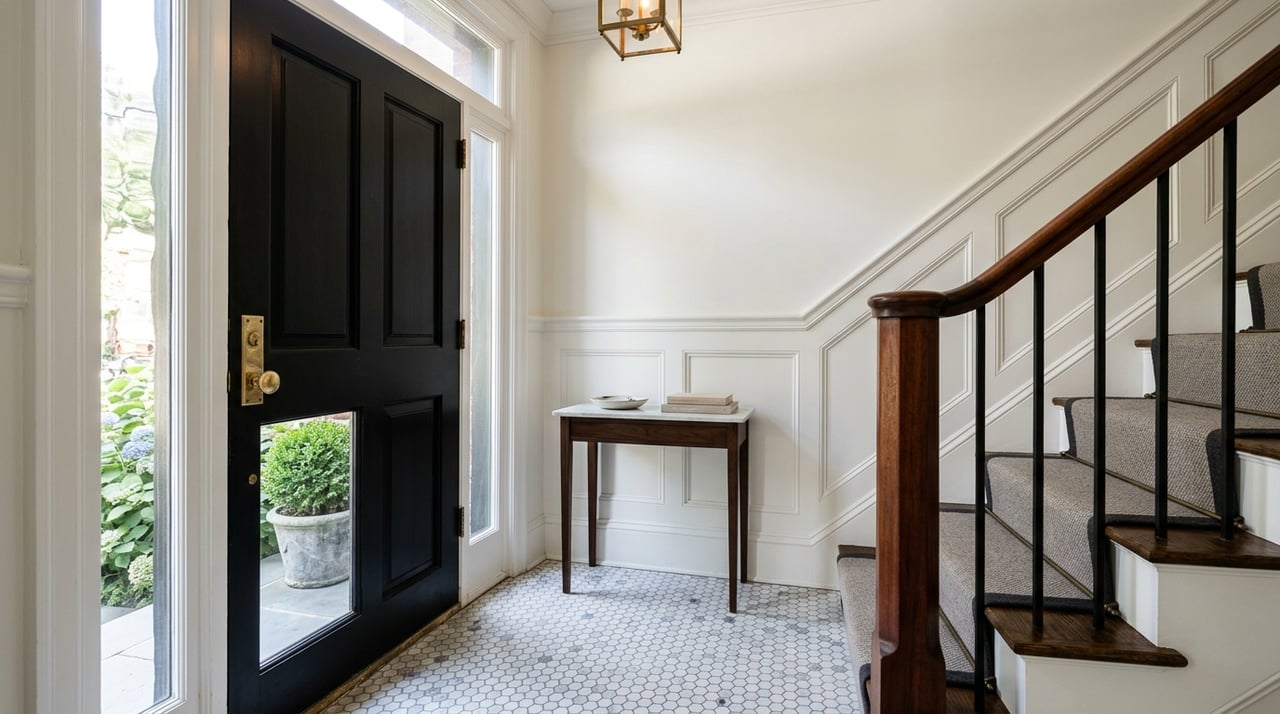
Your marketing should spotlight what gives the property its architectural identity. Depending on the home, that may include original trim, stair details, fireplaces, built-ins, wood floors, masonry, period windows, or room proportions. These are not just decorative features. They are part of the home’s story and can help set it apart in a crowded market.
Use historic context carefully
If the property is designated, Boston notes that each landmarked property has a study report with specific design standards. That can also provide factual background for listing copy and showing materials.
The key is to stay factual and specific. Rather than over-romanticizing the home, focus on craftsmanship, authenticity, and the work that has been done to preserve important elements. Buyers tend to respond well when beauty is backed by substance.
Price with condition in mind
Historic homes rarely fit a simple formula. Massachusetts guidance notes that agents estimate value using similar properties in the area, and in Boston that means comparables still matter. At the same time, condition can have an outsized effect when a home has older systems or preservation-sensitive features.
A buyer may love original details and still factor future repair costs into an offer. That is why pricing should reflect both comparable sales and known condition. If you have completed careful repairs, secured approvals where needed, and organized your documentation, you may be in a much stronger position to support your asking price.
A practical selling strategy for Boston historic homes
If you want a clean, organized path to market, focus on these steps first:
- Verify whether the home is in a historic district or individually landmarked.
- Identify any planned work that may require Boston review.
- Complete approval-related work well before photography and launch.
- Prioritize repair and preservation over unnecessary replacement.
- Gather permits, receipts, photos, reports, and lead documents.
- Consider a pre-list inspection to understand likely buyer concerns.
- Price the home based on comparable sales and documented condition.
- Market the property around craftsmanship, authenticity, and stewardship.
This kind of preparation does more than reduce stress. It helps buyers see the home as a property that has been cared for with intention, which is exactly the message many historic-home shoppers want to hear.
Selling a historic home in Boston takes more than standard listing prep, but the right strategy can make a meaningful difference. When you verify designation early, plan around approval timelines, preserve important features, and organize your disclosures, you give your home the best chance to stand out for the right reasons. If you are preparing to sell in Greater Boston and want thoughtful guidance on pricing, presentation, and next steps, connect with Louise Touchette.
FAQs
How can you tell if a Boston home is historically designated?
- You can use Boston’s public map to check whether the property is in a historic district or individually landmarked.
Do exterior updates on a Boston historic home need approval?
- If the property is designated, exterior changes generally require review by the city, while interior changes usually do not unless the interior itself is landmarked.
How long should you allow for Boston historic review before listing?
- Boston requires a complete application 15 business days before the hearing, so you should plan well ahead for any approval-related work.
Should you replace old windows before selling a historic Boston home?
- Not necessarily. Preservation guidance says repair should be considered first, and storm windows or weatherstripping may improve performance while keeping historic character.
Can a buyer waive a home inspection in a Massachusetts sale?
- In most 1-to-4-unit residential sales, sellers and agents may not condition acceptance on a buyer waiving or limiting the inspection.
What lead paint paperwork should you gather for a Boston home built before 1978?
- You should gather all available lead-related records and reports so you are ready for required disclosures before the sale.