If you’re preparing to buy a home in Boston, the inspection isn’t just another item to check off your list; it’s your opportunity to see the property through a sharper lens. In a city where historic brick townhouses and charming triple-deckers line every street, the home inspection gives you the power to move forward with clarity and assurance.
Boston’s real estate market is dynamic, fast-paced, and full of character, but every property — no matter how beautiful and alluring — comes with its own secrets.
This guide will walk you through what to expect from the inspection process, why it matters, and how you can use what you learn to strengthen your purchase. By knowing what’s ahead, you’ll gain a genuine advantage and put yourself in the driver’s seat when it matters most.
Why a Home Inspection Is Essential
Homes in Boston have a reputation for timeless architecture and unique detail, but these same features can sometimes hide costly or time-consuming problems. This means you’re just as likely to find original hardwood floors as you are outdated plumbing or evidence of a past leak.
A home inspection offers a critical safeguard. It reveals the true condition of major systems and structural components, helping you avoid surprises. Inspectors will dig into the details — roofing, foundation, plumbing, electrical, heating, and cooling — so you have a thorough understanding of what’s working, what needs attention, and what might impact your bottom line.
Perhaps most importantly, a professional inspection gives you extra negotiating power. If your inspector uncovers issues, you’re not stuck with the bill. You can request repairs, ask for credits, adjust the price, or, if needed, walk away before you’re locked in. In a competitive market like Boston, this knowledge is imperative.
A home inspection offers a critical safeguard. It reveals the true condition of major systems and structural components, helping you avoid surprises. Inspectors will dig into the details — roofing, foundation, plumbing, electrical, heating, and cooling — so you have a thorough understanding of what’s working, what needs attention, and what might impact your bottom line.
Perhaps most importantly, a professional inspection gives you extra negotiating power. If your inspector uncovers issues, you’re not stuck with the bill. You can request repairs, ask for credits, adjust the price, or, if needed, walk away before you’re locked in. In a competitive market like Boston, this knowledge is imperative.
Massachusetts' New Home Inspection Law: What Changed in 2025
As of October 15, 2025, Massachusetts buyers have stronger, legally protected inspection rights than ever before. Under the state's new home inspection regulation (760 CMR 74.00), sellers of residential properties with 1–4 units, condos, and co-ops must provide buyers with a signed disclosure confirming their right to hire a licensed home inspector — and sellers can no longer require buyers to waive or limit that inspection as a condition of accepting an offer.
Here's what this means for you as a Boston buyer:
Here's what this means for you as a Boston buyer:
- You cannot be pressured into an "as-is, no inspection" offer just to appear more competitive. The seller's agent must disclose your right to inspect in writing before or at the time you sign the offer
- The disclosure form is standardized. Massachusetts introduced a single official Mandatory Residential Home Inspection Disclosure form that should appear in every deal file
- You can still choose to waive it. The law protects your right to inspect — it doesn't force you to use it. In a hot market, some buyers still weigh a waiver against the risk of unknown repairs. Talk this through with your agent before deciding
- A few exemptions apply, including sales between certain family members, foreclosures, and new construction sold with a builder's warranty
If you're reviewing an offer package and don't see this disclosure, ask your agent about it directly — it's now a required part of a compliant Massachusetts transaction.
Sources: 760 CMR 74.00 — Residential Home Inspection Waivers, Mass.gov · Massachusetts Mandatory Residential Home Inspection Disclosure form, Mass.gov · Massachusetts Real Estate Law Blog, "Massachusetts Bans Home Inspection Waivers...Well, Sort Of," Oct. 17, 2025.
What Does a Home Inspection Cover?
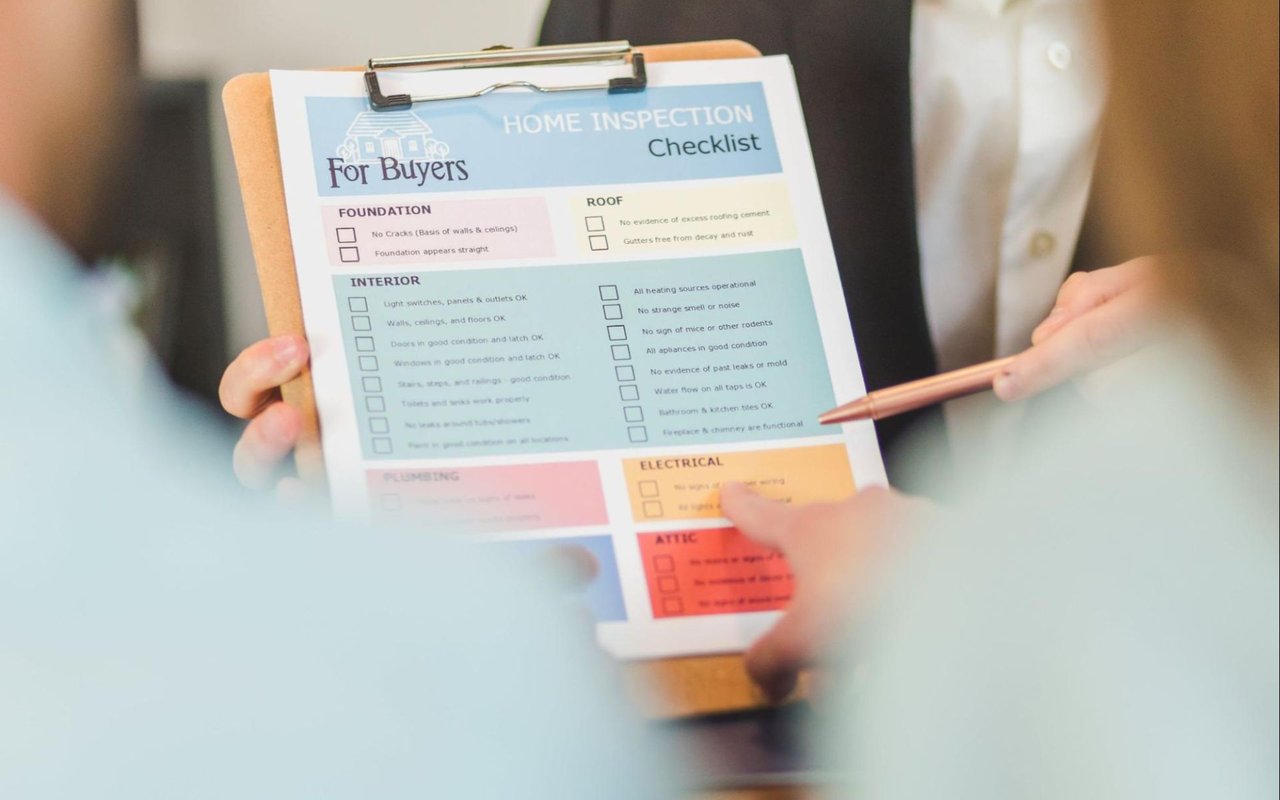
A home inspection goes beyond a simple walk-through. Your inspector will evaluate every major component, starting with the home’s structure. They’ll examine the foundation and framing, searching for cracks, uneven floors, or early signs of structural shifting. This is particularly important in Boston’s older homes, where settling may occur over decades.
The roof inspection is crucial as well. Inspectors look for evidence of leaks, aging shingles, and faulty gutters — problems that can be exacerbated by heavy snow and rain. Drainage issues are important, so you want to be sure that water is being directed away from the property correctly.
Inside, expect a deep dive into the electrical system. Your inspector will check for outdated wiring (like knob-and-tube), overloaded panels, and anything that could pose a fire risk or fall short of today’s power needs. This is especially vital if you plan to renovate or add new appliances.
Plumbing is always a focal point, as older homes might feature older pipes that can be susceptible to corrosion or low pressure. Heating and cooling systems receive close scrutiny as well; whether you’re looking at a steam radiator, oil furnace, or a new HVAC system, it’s important to know what you’ll be working with.
You’ll also receive feedback on insulation, windows, doors, siding, and visible signs of pests or mold. For additional peace of mind, you can opt for specialized inspections for radon, termites, or asbestos.
The roof inspection is crucial as well. Inspectors look for evidence of leaks, aging shingles, and faulty gutters — problems that can be exacerbated by heavy snow and rain. Drainage issues are important, so you want to be sure that water is being directed away from the property correctly.
Inside, expect a deep dive into the electrical system. Your inspector will check for outdated wiring (like knob-and-tube), overloaded panels, and anything that could pose a fire risk or fall short of today’s power needs. This is especially vital if you plan to renovate or add new appliances.
Plumbing is always a focal point, as older homes might feature older pipes that can be susceptible to corrosion or low pressure. Heating and cooling systems receive close scrutiny as well; whether you’re looking at a steam radiator, oil furnace, or a new HVAC system, it’s important to know what you’ll be working with.
You’ll also receive feedback on insulation, windows, doors, siding, and visible signs of pests or mold. For additional peace of mind, you can opt for specialized inspections for radon, termites, or asbestos.
The Home Inspection Process: Step by Step
The process moves quickly after your offer is accepted. You’ll usually have seven to ten days to complete your inspection during the contingency phase.
When inspection day arrives, block off two or three hours for a thorough assessment. You should absolutely plan to attend as the buyer. Watching the process first-hand is the best way to understand your future home and ask questions about maintenance in real time. Your inspector will move methodically through the property, taking photos, noting issues, and explaining their findings as they go.
Shortly after, you’ll receive a detailed report outlining what was discovered, complete with photos and recommendations. This report is more than paperwork; it’s a road map that helps you make informed decisions.
When inspection day arrives, block off two or three hours for a thorough assessment. You should absolutely plan to attend as the buyer. Watching the process first-hand is the best way to understand your future home and ask questions about maintenance in real time. Your inspector will move methodically through the property, taking photos, noting issues, and explaining their findings as they go.
Shortly after, you’ll receive a detailed report outlining what was discovered, complete with photos and recommendations. This report is more than paperwork; it’s a road map that helps you make informed decisions.
Understanding the Inspection Report
After the inspection, you’ll receive a written report that’s both detailed and straightforward. At first glance, it might seem overwhelming, with dozens of pages, technical terms, and photos. However, don’t let that intimidate you, as this document is your tool for making smart decisions.
Review the report section by section, paying special attention to items flagged as urgent, such as leaks, structural damage, or electrical hazards. These are the issues that deserve your focus and might require further negotiation with the seller. Less critical concerns — like cosmetic flaws or minor repairs — are worth noting, but they shouldn’t make or break your deal. Use the report to prioritize which items need to be addressed before closing and which can be managed later.
Review the report section by section, paying special attention to items flagged as urgent, such as leaks, structural damage, or electrical hazards. These are the issues that deserve your focus and might require further negotiation with the seller. Less critical concerns — like cosmetic flaws or minor repairs — are worth noting, but they shouldn’t make or break your deal. Use the report to prioritize which items need to be addressed before closing and which can be managed later.
Special Considerations for Boston's Older Homes
Boston's historic housing stock comes with a few inspection considerations that are worth knowing about before you're in the middle of a transaction:
- Lead paint. If the home was built before 1978, Massachusetts law requires sellers to disclose known lead paint hazards, and many buyers arrange a separate lead paint risk assessment alongside the general inspection — especially important if you have or plan to have young children in the home.
- Title V septic inspections. Most homes within Boston proper are connected to city sewer, but if you're considering a property on a private septic system (more common in outlying neighborhoods and surrounding towns), Massachusetts Title V regulations require a septic inspection within two years of the sale. A failed system can cost tens of thousands of dollars to replace, so this is not a step to skip.
- Knob-and-tube wiring. Common in homes built before the 1940s, this older wiring style is a frequent point of negotiation and can also affect your ability to get homeowners insurance, so it's worth asking your inspector for specifics.
Navigating Negotiations Post-Inspection
Once your report is in hand, it’s time to put your findings to work, as this is your opportunity to protect your investment. Focus on the big-ticket items: roof leaks, foundation cracks, major plumbing or electrical issues, or anything affecting the property’s habitability.
Your agent will help you draft a clear, well-documented request for repairs or credits. Attaching specific pages from the inspection report and including cost estimates can strengthen your position. Sellers may agree to complete certain repairs, be open to closing credits or a price adjustment, or propose alternatives. Be prepared for some back-and-forth negotiation.
Navigating these negotiations takes skill, but you’re not alone. Lean on your real estate agent’s expertise to help you get the best possible result.
Your agent will help you draft a clear, well-documented request for repairs or credits. Attaching specific pages from the inspection report and including cost estimates can strengthen your position. Sellers may agree to complete certain repairs, be open to closing credits or a price adjustment, or propose alternatives. Be prepared for some back-and-forth negotiation.
Navigating these negotiations takes skill, but you’re not alone. Lean on your real estate agent’s expertise to help you get the best possible result.
Turning Insights into Confident Homeownership
A home inspection in Boston is much more than a technical requirement. It’s your chance to take charge of your purchase, anticipate future needs for maintenance and upkeep, and protect yourself from setbacks. No matter what the inspection reveals, you’ll be better equipped to make smart choices — and more excited than ever to start your next chapter in Boston.
Ready to navigate Boston’s real estate market and the inspection process with confidence? When you work with Louise Touchette, you gain a dedicated partner who will advocate for your interests at every turn. From your very first showing to the final walkthrough, you’ll have expert guidance, personalized support, and a commitment to making your home-buying journey as smooth and successful as possible.
For more on preparing your offer, check out our Buyer's Guide, explore homes by area in our Neighborhoods guide, or start browsing listings with our Home Search.
Ready to navigate Boston’s real estate market and the inspection process with confidence? When you work with Louise Touchette, you gain a dedicated partner who will advocate for your interests at every turn. From your very first showing to the final walkthrough, you’ll have expert guidance, personalized support, and a commitment to making your home-buying journey as smooth and successful as possible.
For more on preparing your offer, check out our Buyer's Guide, explore homes by area in our Neighborhoods guide, or start browsing listings with our Home Search.