By Louise Touchette
If you’re lucky enough to own a historic home in Boston, you already know that you’re living in a living, breathing piece of history. Every detail, from ornate cornices to creaky wide-plank floors, tells a story. These homes have stood the test of time through celebrations and everyday moments for generations. Now, the keys are in your hands, and the next chapter is yours to write.
But let’s be honest: the privilege of stewarding a historic Boston home comes with a unique set of nuances. Old brickwork, original wood trim, and antique windows don’t thrive on autopilot. They require care, attention, and know-how. Maintaining these distinctive features is less about routine upkeep and more about honoring the artistry and details that define your home — and, by extension, the soul of Boston itself.
Read on to discover the steps you can take to preserve your piece of Boston’s enduring legacy.
Key Takeaways
-
Maintaining a historic home requires a thoughtful combination of patience, commitment, and specialized know-how.
-
The unique materials and construction methods in older homes require tailored preservation strategies.
-
With the right care, restoration projects can elevate both the value and the legacy of your property.
-
Consistent preventive maintenance is the most effective way to safeguard your home’s story — and save money in the long run.
Understanding What Makes Boston’s Historic Homes Distinctive
Boston’s historic homes aren’t just admired for their beauty; they’re celebrated for their exceptional details and architectural integrity. These houses were built in eras when materials were hand-selected and construction was an art form.
Yet, those same materials — original brick, slate roofs, hand-blown glass, and solid hardwoods — require an informed approach. You can’t simply patch old mortar with modern cement or refinish antique floors with just any product. Mistakes like these can quickly erode the very features that make your home so extraordinary.
To care for your historic home properly, invest time in understanding its architectural lineage. The more you know about your home’s history, the better equipped you’ll be to protect it.
Yet, those same materials — original brick, slate roofs, hand-blown glass, and solid hardwoods — require an informed approach. You can’t simply patch old mortar with modern cement or refinish antique floors with just any product. Mistakes like these can quickly erode the very features that make your home so extraordinary.
To care for your historic home properly, invest time in understanding its architectural lineage. The more you know about your home’s history, the better equipped you’ll be to protect it.
Boston’s Historic Home Hallmarks
-
Distinctive brick and stone masonry unique to specific time periods.
-
Original windows, ironwork, and woodwork.
-
Slate, copper, and clay roof materials rarely found in new builds.
-
Floor plans and features that reflect Boston’s ever-evolving story.
-
Period-specific hardware and fixtures that lend one-of-a-kind character.
Building a Preventive Maintenance Mindset
If there’s one truth that every historic homeowner learns, it’s that prevention is your best friend. The New England climate can quickly take a toll on aging materials. A cracked foundation or a leaky roof left unchecked won’t just compromise your comfort; it can threaten the legacy you’ve inherited.
A smart move? Set up a regular maintenance schedule. Walk your property each season and make note of any changes, from hairline cracks in the brickwork to peeling paint on a dormer. Addressing small issues early saves you from much more extensive repairs later. And don’t just focus on the big-ticket items; pay attention to the details like window glazing and gutter flow.
Consider enlisting the insight of a local expert who specializes in historic homes. These professionals have a trained eye for the subtleties that set historic properties apart and can spot trouble before it escalates.
A smart move? Set up a regular maintenance schedule. Walk your property each season and make note of any changes, from hairline cracks in the brickwork to peeling paint on a dormer. Addressing small issues early saves you from much more extensive repairs later. And don’t just focus on the big-ticket items; pay attention to the details like window glazing and gutter flow.
Consider enlisting the insight of a local expert who specializes in historic homes. These professionals have a trained eye for the subtleties that set historic properties apart and can spot trouble before it escalates.
Essential Preventive Steps
-
Regularly inspect the foundation and basement for signs of moisture or cracks.
-
Clean and repair the gutters to keep water moving away from your home.
-
Check the roof, chimney, and flashing after storms or seasonal changes.
-
Keep an eye out for rot, pests, or peeling paint on wood features.
-
Schedule annual checkups for HVAC, electrical, and plumbing systems.
Keeping Original Features Alive
The true magic of a historic home often lies in its original details: beautiful glass, carved banisters, marble mantels, and intricate ceiling medallions. These are the touches that make guests pause and give your home a sense of irreplaceable character. Protecting them should be at the heart of your maintenance plan.
Choose soft cloths and mild cleaners for woodwork, and steer clear of abrasive products that can strip away patina. Before making any changes, document your home’s details with photos and notes. This record can be a lifesaver during future repairs or if you decide to bring in a specialist.
When something does need restoration, resist the urge to rip out and replace. Instead, seek out local artists or salvage experts who can help restore what’s there or recreate it with fidelity. This approach not only maintains your home’s integrity; it honors the generations who came before you.
Choose soft cloths and mild cleaners for woodwork, and steer clear of abrasive products that can strip away patina. Before making any changes, document your home’s details with photos and notes. This record can be a lifesaver during future repairs or if you decide to bring in a specialist.
When something does need restoration, resist the urge to rip out and replace. Instead, seek out local artists or salvage experts who can help restore what’s there or recreate it with fidelity. This approach not only maintains your home’s integrity; it honors the generations who came before you.
Preserving Your Home’s Soul
-
Use gentle, non-abrasive cleaning products on historic finishes.
-
Restore damaged features instead of replacing them outright.
-
Research historic paint palettes and wall coverings before redecorating.
-
Keep a detailed record — photos, measurements, and notes — of original features.
Updating Utilities Without Compromising Character
Modern living calls for updates, but no one wants to see their historic home gem disfigured by a clunky HVAC vent or glaring LED fixtures. The key? Upgrading systems in ways that respect your home’s bones. For example, when updating the electrical wiring, hire electricians who know how to fish lines through plaster walls with minimal disruption.
Insulation poses a similar challenge. Old homes are often drafty, yet you can boost comfort by insulating attics and crawl spaces first, steering clear of areas with ornate moldings or plaster. Energy-efficient improvements don’t have to stand out; subtle changes, like adding weatherstripping or installing storm windows, can make a world of difference without sacrificing the historic appearance.
Many of Boston’s oldest homes still use original radiators and steam heating. With careful maintenance and the right upgrades, these systems can run efficiently while maintaining the aesthetic that defines your space.
Insulation poses a similar challenge. Old homes are often drafty, yet you can boost comfort by insulating attics and crawl spaces first, steering clear of areas with ornate moldings or plaster. Energy-efficient improvements don’t have to stand out; subtle changes, like adding weatherstripping or installing storm windows, can make a world of difference without sacrificing the historic appearance.
Many of Boston’s oldest homes still use original radiators and steam heating. With careful maintenance and the right upgrades, these systems can run efficiently while maintaining the aesthetic that defines your space.
Smart, Sensitive Upgrades
-
Work with contractors who specialize in updating historic homes.
-
Use minimally invasive techniques for wiring, plumbing, and HVAC.
-
Insulate where it matters most, avoiding disruption to historic materials.
-
Retain original radiators and fixtures, upgrading internal workings as needed.
-
Select hardware, switch plates, and registers that reflect your home’s era.
Budgeting for Your Future
The reality is, keeping a historic home in peak condition requires a financial commitment — but it’s an investment that pays off in pride and long-term value. Some projects, like roof replacement or brick repointing, can be expensive, especially when using authentic materials and techniques. However, consistent care almost always costs less than delayed, emergency repairs.
Set aside a dedicated fund for ongoing maintenance and big-ticket projects. In addition, it helps to create a timeline for major updates and stick to an annual review, adjusting as you learn more about your home’s needs.
Set aside a dedicated fund for ongoing maintenance and big-ticket projects. In addition, it helps to create a timeline for major updates and stick to an annual review, adjusting as you learn more about your home’s needs.
Budgeting Essentials
-
Set aside yearly funds for both routine maintenance and unexpected repairs.
-
Prioritize projects based on urgency and impact on historic value.
-
Always get multiple bids from specialized contractors for major work.
-
Review your budget annually and update your plan as your home’s needs evolve.
Discovering the Deeper Rewards of Historic Home Ownership
There’s a reason why so many Bostonians are passionate about their historic homes. You’re preserving a legacy for your neighborhood, your city, and the generations to come.
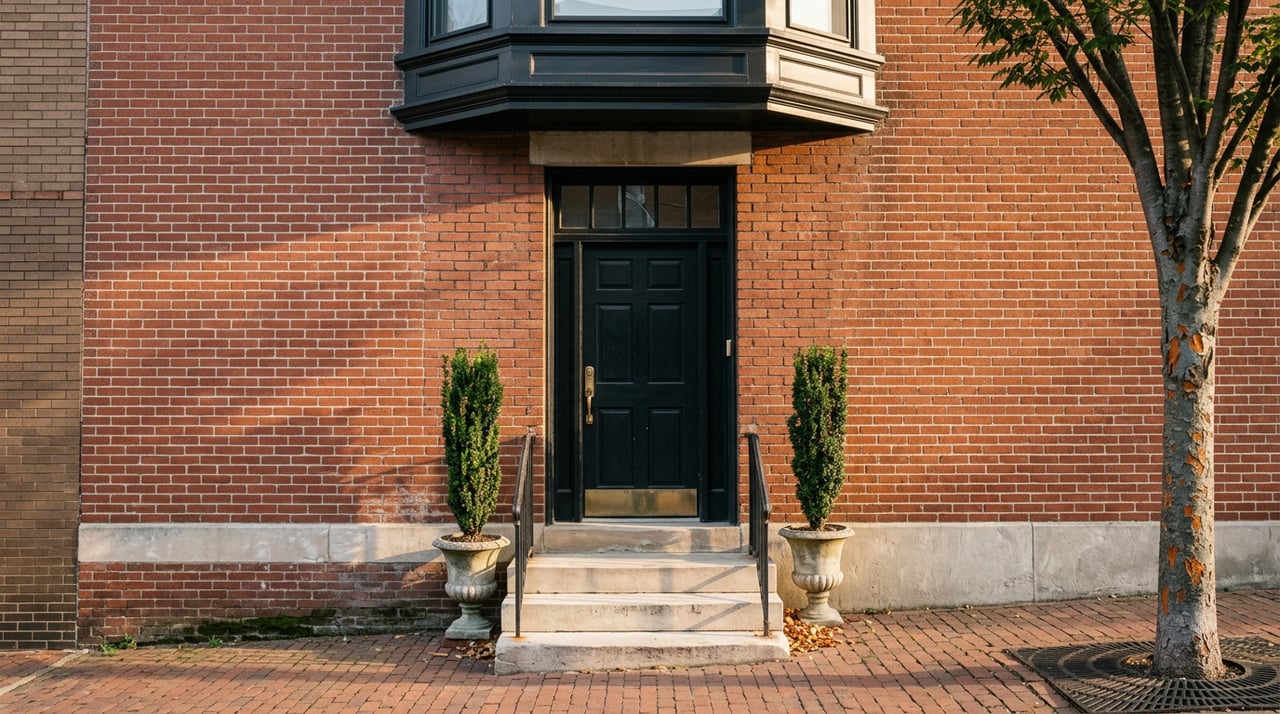
Every small act of care — from restoring the front door to choosing authentic fixtures — lets you leave your mark while honoring those who came before. The process can be challenging, but the sense of connection, pride, and accomplishment it brings is beyond compare.
Every small act of care — from restoring the front door to choosing authentic fixtures — lets you leave your mark while honoring those who came before. The process can be challenging, but the sense of connection, pride, and accomplishment it brings is beyond compare.
The Real Rewards
-
Enjoy living in a one-of-a-kind space filled with history and meaning.
-
Appreciate unmatched artistry and architectural details.
-
Take pride in knowing you’re helping to protect Boston’s character and charm.
FAQs
What Maintenance Issues Should I Watch For In A Boston Historic Home?
Monitor the foundation, roof, woodwork, and masonry for signs of deterioration. Gutters and drainage need special attention, especially after storms. Use gentle cleaning and restoration methods on original features to prevent accidental damage.
Is It Possible To Add Modern Conveniences To A Historic Home Without Losing Its Appeal?
Modern updates can be seamlessly integrated with minimal disruption if you work with skilled professionals. Focus on subtle solutions, such as improved insulation, interior storm windows, or hidden wiring, for better comfort without sacrificing the home’s historic atmosphere.
Where Can I Find Materials That Match My Home’s Historic Era?
Search architectural salvage yards, specialty shops, and online marketplaces to find period-specific materials. Local preservation societies and historic commissions are also great resources for referrals. You can often find reclaimed doors, mantels, tiles, and hardware that match your home’s original features.
Take The Next Step Toward Stewardship
Owning a historic home in Boston is an invitation to become a guardian of history — a role that’s both demanding and deeply rewarding. With a thoughtful approach, expert support, and a bit of creative problem-solving, you can protect the charm that sets your home apart.
Whether you’re searching for the perfect historic property, planning a thoughtful restoration, or simply looking for trustworthy advice on maintaining your piece of Boston’s heritage, you need guidance from someone who truly understands the city’s unique real estate landscape. As a seasoned Boston real estate professional, I’m passionate about helping you navigate every step — from uncovering hidden gems to connecting you with local resources.
Let’s work together to ensure your historic home is everything you imagine it can be. Reach out to me, Louise Touchette, for a personalized approach, in-depth knowledge, and dedicated support as you write your next chapter in Boston real estate.
Whether you’re searching for the perfect historic property, planning a thoughtful restoration, or simply looking for trustworthy advice on maintaining your piece of Boston’s heritage, you need guidance from someone who truly understands the city’s unique real estate landscape. As a seasoned Boston real estate professional, I’m passionate about helping you navigate every step — from uncovering hidden gems to connecting you with local resources.
Let’s work together to ensure your historic home is everything you imagine it can be. Reach out to me, Louise Touchette, for a personalized approach, in-depth knowledge, and dedicated support as you write your next chapter in Boston real estate.