By Louise Touchette
If you have ever stood in your Gloucester backyard and pictured rows of tomatoes ripening in the sun or a border of coastal wildflowers swaying in the sea breeze, you already have everything you need to begin. Starting a garden here is one of the most rewarding ways to connect with your property, and the good news is that Cape Ann's climate and character give you plenty to work with once you understand the local conditions.
Gardening in a coastal New England city comes with its own rhythm. You are working with salt-tinged air, granite-rich soil, and a growing season shaped by the Atlantic.
Whether you have a sprawling lot near Eastern Point or a compact patch behind a triple-decker downtown, this walkthrough will help you turn bare ground into a living, growing space you can enjoy season after season.
Key Takeaways
- Gloucester sits in a coastal climate zone where salt air and sea breezes influence which plants thrive, so choosing hardy, wind-tolerant varieties sets you up for success.
- Testing and improving your soil early is the single most important step, especially given Cape Ann's rocky, sandy ground.
- Native and pollinator-friendly plants require less maintenance and support the coastal ecosystem.
Gloucester's Coastal Growing Conditions
Before you plant a single seed in your Gloucester home, it helps to understand what makes gardening on Cape Ann distinct. Gloucester's proximity to the ocean creates a microclimate that moderates temperatures, meaning your spring can arrive a little slower and your fall can linger a little longer than inland areas just a few miles away.
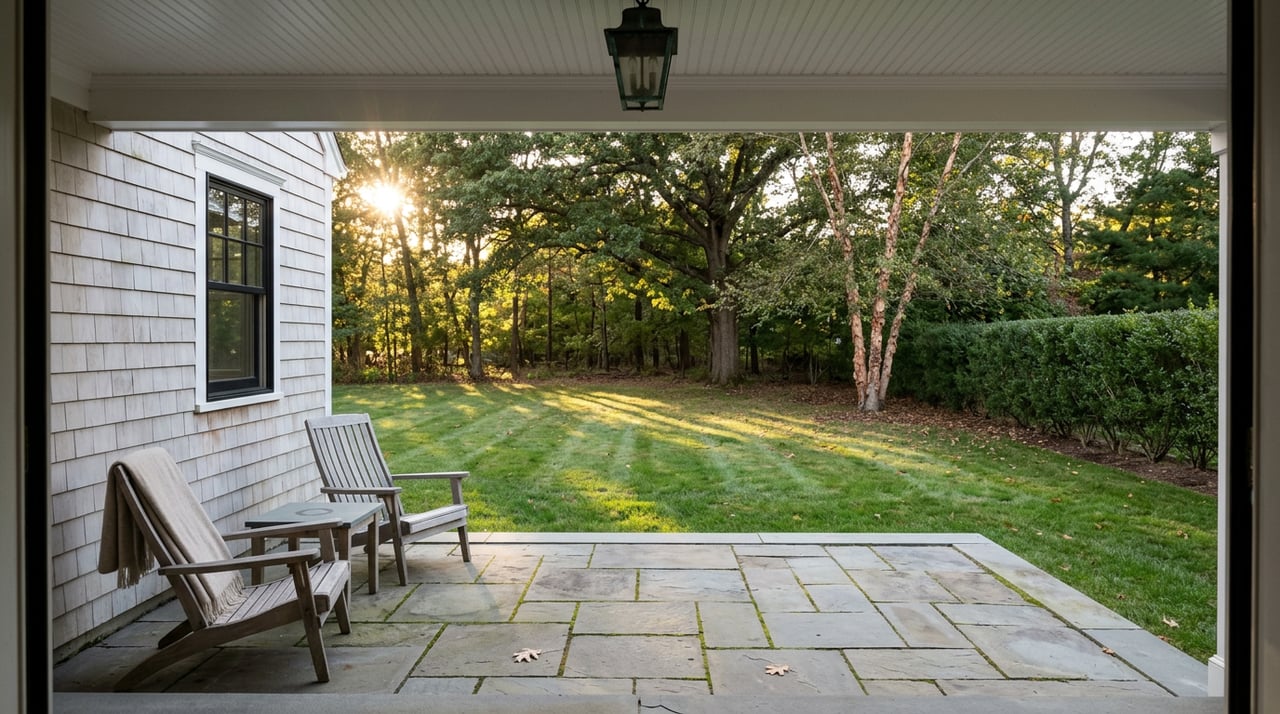
The flip side is the wind and salt. Homes in Gloucester closer to the water often experience salt spray that can scorch tender leaves, so positioning matters. A fence, a hedge, or the wall of your house can act as a windbreak and give delicate plants a fighting chance.
What to Assess Before Planting
- Sun exposure across the day, noting which areas get full sun versus partial shade.
- Proximity to the shoreline and how much salt spray or wind your yard receives.
- Natural drainage patterns, including any low spots where water tends to pool after rain.
- Existing structures like fences or walls that can shelter plants from coastal wind.
Preparing Your Soil
Cape Ann is famous for its granite, and that geology shows up in local gardens. Many Gloucester yards feature soil that is rocky, sandy, or a mix of both, which drains quickly but can struggle to hold nutrients.
Start with a soil test. You can pick up an inexpensive kit or send a sample to the UMass Soil and Plant Nutrient Testing Lab, which provides detailed results on pH and nutrient levels. Most vegetables prefer a slightly acidic to neutral range, and coastal New England soil sometimes needs a boost of organic matter.
Once you have your results, enrich the soil generously. Compost, aged manure, and leaf mulch all improve texture and feed your plants over time. For sandy Gloucester soil, organic matter is especially valuable because it helps the ground retain moisture and nutrients.
Build Better Soil
- Test your soil first, so you know your pH and nutrient starting point.
- Add two to three inches of compost and work it into the top layer of your beds.
- Mix in aged manure or leaf mold to improve moisture retention in sandy ground.
- Mulch the surface after planting, so the soil stays cool and holds water longer.
The Right Plants
The plants you choose will make or break your first season, and the smartest strategy is to select varieties that suit both your skill level and Gloucester's coastal setting.
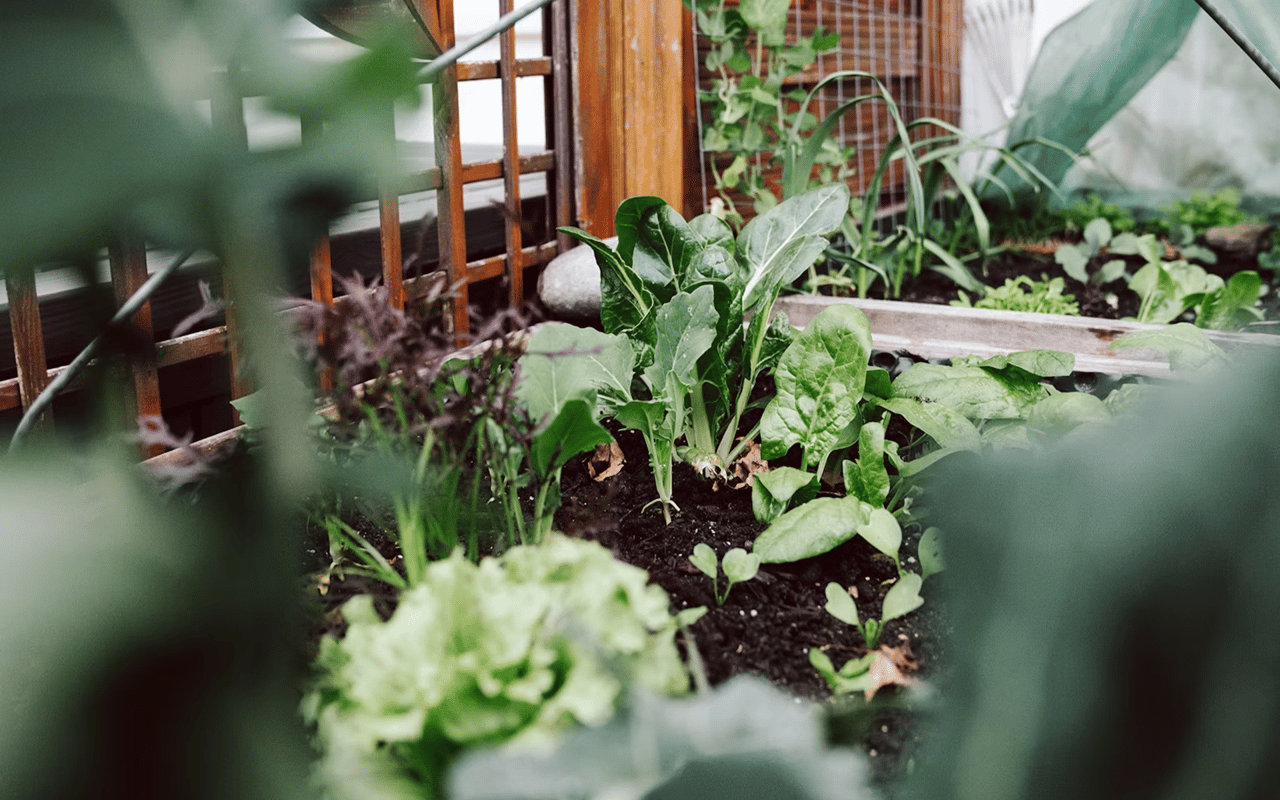
For vegetables, cool-season crops love the Cape Ann climate. Lettuce, kale, spinach, peas, and radishes all tolerate the cooler spring and fall temperatures beautifully. When summer warms up, tomatoes, zucchini, cucumbers, and green beans reward you with steady harvests. Herbs like basil, thyme, and rosemary are nearly foolproof and thrive in containers on a sunny deck or patio.
On the ornamental side, lean toward plants that shrug off wind and salt. Beach roses, hydrangeas, daylilies, coneflowers, and black-eyed Susans are all coastal-friendly and add lasting color. Native plants deserve special attention because they are adapted to local conditions, need less water once established, and support bees and butterflies.
Beginner-Friendly Plants
- Leafy greens like kale, spinach, and lettuce, which thrive in cooler coastal temperatures.
- Cherry tomatoes and cucumbers, which produce generously and forgive minor beginner mistakes.
- Salt-tolerant shrubs like beach roses and hydrangeas that hold up to coastal wind.
Building Your Garden Layout
For gardening beginners in Gloucester, raised beds are often the ideal starting point. They let you fill in high-quality soil, improve drainage, and sidestep the rocky ground that many Cape Ann properties are known for.
Container gardening is another route, especially if you have limited space. Many Gloucester homeowners grow herbs, greens, and even compact tomato varieties entirely in containers, and you can move the pots to chase the sun or shelter them during a coastal storm.
Layout Tips For a Manageable Start
- Begin with one or two raised beds, so your first season stays approachable.
- Position taller plants on the north side, so they do not shade smaller ones.
- Group plants by their sun and water needs to simplify daily care.
- Leave walking paths between beds, so you can tend and harvest comfortably.
FAQs
When Is the Best Time To Start a Garden in Gloucester?
The coastal climate means the last frost typically passes by mid-May, so late spring is the ideal window for planting warm-season crops. You can get cool-season greens and peas in the ground a few weeks earlier, often by early April. Starting seeds indoors in March gives you a head start before transplanting outside once the weather stabilizes.
How Do I Protect Plants From Salt Air and Wind?
Positioning is your best defense. Place tender plants near a fence, wall, or hedge that blocks direct wind and salt spray. Choosing salt-tolerant varieties like beach roses, hydrangeas, and hardy grasses also helps, and a layer of mulch protects roots from drying out in the breeze.
Do I Need Special Soil for a Coastal Garden?
You do not need anything exotic, but you will want to improve your existing soil with plenty of organic matter. Gloucester's sandy, rocky ground drains fast and often needs compost and aged manure to hold moisture and nutrients. Testing your soil first tells you exactly what amendments will make the biggest difference.
Start a Garden in Your Gloucester Home
Starting a garden in your Gloucester home is about more than growing food or flowers. It is about deepening your relationship with your space and the striking coastal landscape that surrounds it.
If you are settling into a new home on Cape Ann or thinking about your next move in Gloucester, I would love to help you find a property with the outdoor space and setting your dream garden deserves. Reach out to me, Louise Touchette, and let's talk about how to make Gloucester feel like home.